
Across Spain, the clatter of plates, warm hum of conversation, and aromas of sizzling olive oil shape a dining experience unlike any other. Tapas aren’t just food; they reflect a lifestyle prioritizing connection, flavor, and spontaneity. For many, sharing tapas with friends isn’t a meal but an experience filled with energy and rhythm. Tapas encourage you to slow down and savor in a world often rushing past mealtimes. They bring people together, one small plate at a time.
What Are Tapas in Spanish Dining Culture?
Tapas are small savory plates traditionally paired with drinks served in Spanish bars and homes. They can be served hot or cold, prepared with or without elevated technique. Tapas aren’t appetizers but a whole experience for social eating. Instead of eating one large dish, diners enjoy a series of varied, flavorful plates.
Tapas as a Lifestyle
Tapas represent a way of eating, not just a format of serving. They encourage conversation, shared experiences, and slow-paced meals. Whether you’re nibbling olives or enjoying grilled octopus, the focus stays on connection. Each tapa is a moment—small, flavorful, and intentional. The dining style invites spontaneity and multiple stops in one evening. That flexibility makes tapas endlessly appealing in modern cities and local taverns alike.
Etymology of Tapas
The word “tapa” literally means “lid” in Spanish. It refers to the early practice of covering drinks with a piece of bread or ham to keep dust and flies out. Over time, bartenders started adding more food to these covers. Eventually, patrons expected a bite with every drink. This origin story connects tapas with hospitality and practicality. The simple gesture evolved into a national tradition.
Where Did Tapas Originate in Spain?
Tapas originated in medieval Spain and were shaped by local ingredients, tavern culture, and royal influence. Early tapas were rustic, featuring anchovies, olives, and cured meats served alongside wine in roadside inns. These simple dishes helped travelers avoid intoxication and encouraged longer, sociable stays. Over the centuries, each region has added its unique flavor, creating a rich culinary tapestry that remains alive today.
The Tavern Influence
Spanish taverns shaped how tapas were served and enjoyed. These venues weren’t just for eating; they were gathering places. Customers stood at the bar, ordered drinks, and received small bites with each glass. The informal atmosphere encouraged mingling and movement. Tapas culture grew organically from these daily habits. The result was a dining ritual that continues to define social life in Spain.
The Evolution of Tapas
Tapas have undergone significant changes over the years. What began as simple bar snacks has evolved into diverse offerings. Chefs now experiment with high-end ingredients and international techniques. Yet even modern tapas keep their social DNA intact. They’re meant to be shared, discussed, and enjoyed slowly—this balance between old and new keeps tapas fresh without losing its roots.
What Are Tapas Like in Spain Today?
In Spain, tapas are a living tradition woven into daily life. Locals enjoy them after work, on weekends, or as part of casual family meals. Tapas aren’t reserved for special occasions; they’re an everyday experience. They reflect seasonality, regional flavors, and social rhythms.
How Tapas Bars Function and Flow
A typical tapas bar feels vibrant and casual, often filled with locals moving between conversations and plates of food. Diners order in rounds, choosing a few dishes at a time and sharing freely. There’s no set order; it’s just whatever looks good and pairs well with your drink. Tapas often take center stage at events, from seasonal festivals to community gatherings, where food and connection go hand in hand. Their flexibility suits both casual get-togethers and more curated experiences. The format maintains a focus on enjoyment without sacrificing formality.
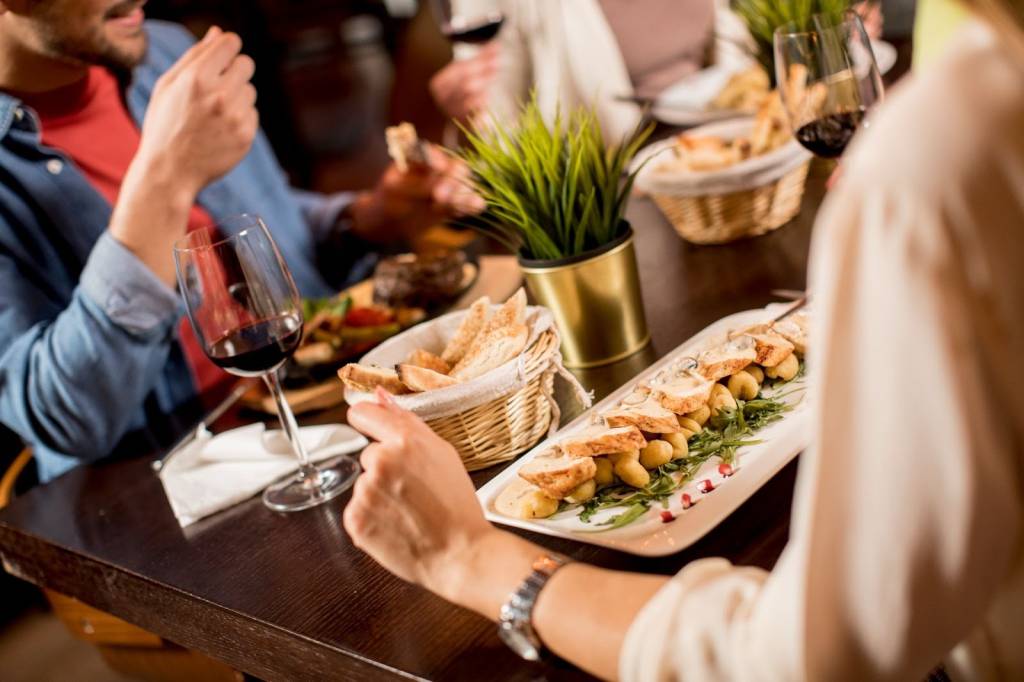
Alt-text: Cropped shot of friends enjoying tapas and wine at a Spanish bar.
Tapas and the Culture of Sharing
Sharing is the essence of tapas culture. Unlike single-plate meals, tapas invite group participation. Everyone samples, comments, and interacts over food. This format turns a meal into a conversation. Tapas slow things down, helping people focus on the moment. That’s part of their enduring charm.
Timing, Region, and Custom in Tapas Culture
When and where you eat tapas matters. In Andalusia, receiving a complimentary tapa with your drink is common. You might pay per dish in Barcelona, but the variety is broader. Afternoon tapas differ from evening ones, and weekend selections are richer. Some bars specialize in seafood, while others focus on hearty, slow-cooked options. Each region follows its own rhythm.
Types of Tapas
Tapas include a wide range of flavors, textures, and preparations. Some are vegetarian, others meat- or seafood-based. While traditional dishes dominate many menus, others take creative spins. Understanding the basics helps you enjoy the variety without confusion.
Hot Tapas vs. Cold Tapas
Tapas come in two main types: hot and cold. Cold tapas, such as marinated olives, anchovies, or jamón serrano, are often ready-made and straightforward. They are great for quick servings and pairing with wine. Hot tapas, like garlic shrimp or fried calamari, require kitchen prep. They often arrive sizzling or freshly grilled. The mix of hot and cold keeps the meal dynamic.
Classic Tapas Dishes
Tapas like patatas bravas, tortilla española, and gambas al ajillo remain staples for good reason. Each offers bold flavor in a compact form, perfect for sharing and tasting across the table. Tapas are ideal for parties, especially when the goal is variety without complication. Guests can try multiple dishes, return to favorites, and enjoy an interactive experience. Whether the setting is upscale or laid-back, tapas adapt with ease. They invite connection, not just consumption.
Vegetarian Tapas Options
Tapas work well for vegetarian diners. You’ll often find blistered peppers (pimientos de padrón), garlic mushrooms, or grilled eggplant. Some bars offer lentil or chickpea stews in small portions. Roasted vegetables, seasoned with sea salt and olive oil, are another common find. Cheeses like manchego or goat’s cheese are also popular. Tapas make it easy to build a full vegetarian spread.
Regional Tapas Specialties
Every part of Spain has its own signature tapas. In Galicia, pulpo a la gallega (octopus with paprika) is a staple. The Basque Country is renowned for pintxos—small bites served on bread, often accompanied by toothpicks. Try spinach with chickpeas or salmorejo, a cold tomato puree in Seville. Valencia may serve seafood-forward plates influenced by the culture of paella. Exploring these regional offerings makes each visit unique.
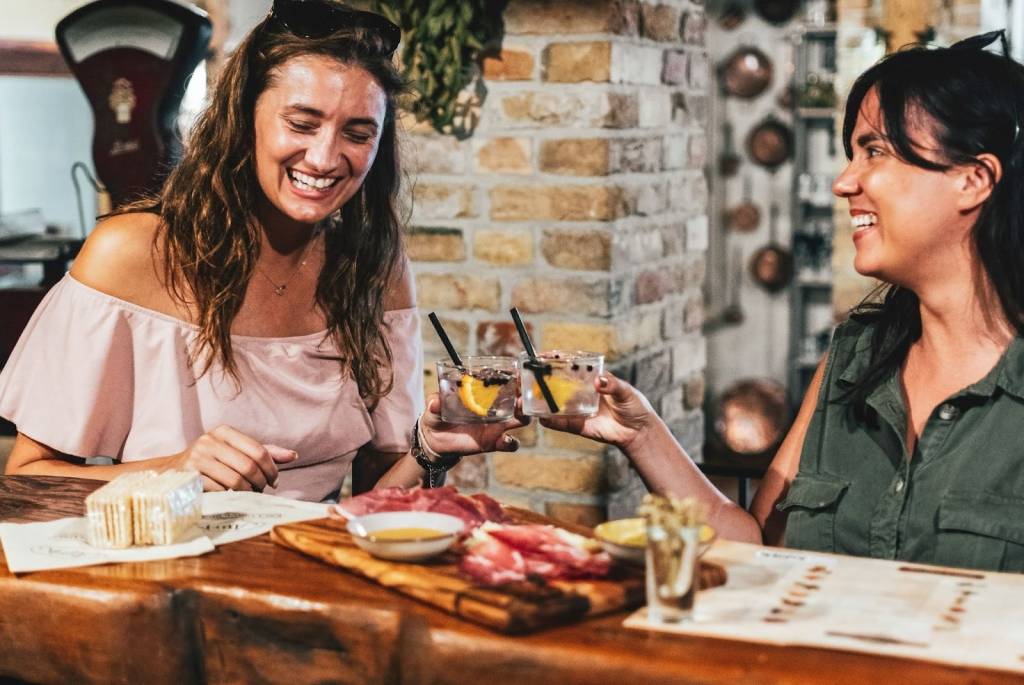
What Are Tapas Like Beyond Spain?
Tapas have expanded far beyond Spanish borders. They’ve been reinterpreted in restaurants worldwide, often blending with local cuisines. Some chefs adhere closely to tradition; others experiment freely. Either way, the tapas concept fits well with today’s dining preferences.
Tapas vs. Global Small Plate Dining
Many global restaurants serve small plates under the label of tapas. The format is similar; the dishes are meant for sharing, but the flavors may vary widely. You’ll see Korean, Italian, or even Peruvian dishes served tapas-style. What matters isn’t nationality but the structure: shareable, diverse, and conversational meals. Some purists argue this stretches the definition. But modern dining thrives on this kind of flexibility.
Tapas Trends in Global Food Capitals
Major cities like New York, London, and Tokyo have embraced tapas bars. In London, you might find jamón croquettes alongside goat cheese-stuffed peppers. New York venues often fuse Latin and Mediterranean influences. Tokyo tapas bars offer a minimalist elegance, blending Spanish techniques with Japanese ingredients. Each city adds something new while retaining the core idea. This global reach shows tapas’ universal appeal.
What Are Tapas in Today’s Food Scene?
Tapas align perfectly with current dining values. People want variety, interaction, and control over their meals. Tapas offer all of that, without sacrificing flavor or tradition. They’re also ideal for small groups, date nights, or solo diners.
Shared Dining and Tapas Popularity
Tapas support the rise of shared dining, which many people now prefer. Instead of each person ordering separately, the table becomes a collaborative effort. Everyone tries more, wastes less, and stays engaged throughout the meal. Tapas suit fast-paced urban lifestyles and modern food culture. They also work well in casual or upscale environments. Tapas are versatile enough for both.
Culinary Tourism and Tapas Experiences
Tapas are central to food-focused travel across Spain, often explored through guided tastings and bar-to-bar tours. These immersive experiences blend food, culture, and local insight in ways traditional dining doesn’t. Due to their size and variety, tapas also work exceptionally well in catering—easy to serve, simple to eat, and satisfying for diverse tastes. Whether a corporate event or a private gathering, tapas offer elegance without being fussy. Their format encourages movement, mingling, and conversation. It’s a style of eating that suits modern occasions.
Tapas and Seasonal Dining Preferences
Tapas naturally reflect the seasons. In the summer, menus lean toward cold soups and fresh vegetables. In the fall, slow-cooked meats and mushrooms take center stage. Winter brings hearty stews and fried options. Spring features artichokes, peas, and tender greens. This seasonal shift keeps tapas menus fresh and responsive, encouraging repeat visits.
Turn Your Table Into a Story With Tapas
Tapas change how you eat and how you connect. They offer variety without overwhelm, tradition without formality, and flavor without excess. If your meals have started to feel routine or rushed, tapas are your chance to reset the pace. Share them with friends, try them solo, or bring them into your next gathering. It’s not just about the food, but also how you experience it.
Where taste meets tradition, there’s more to explore. Read the latest from the Vino Wine & Tapas Room blog and subscribe to the newsletter for fresh stories, flavors, and updates.